
A cat may pee on clothes because it prefers a soft surface, is avoiding its litter box, is marking, or has a health problem affecting toileting. Clothes left on the floor can become an easy alternative toilet, but clean laundry can be affected too. Remove access to the clothes while checking the cat’s bathroom arrangement and the pattern of each accident.
The household examples below come from publicly shared experiences, not a statistical study; individual cats, clothing, and home conditions differ.
Soft clothes can become an alternative toilet
Cornell’s house-soiling guidance describes both litter-box aversion and preferences for other surfaces. Clothing is among the soft surfaces it specifically mentions. A cat that still uses its tray sometimes may nevertheless choose a pile of fabric on other occasions.
Start by mapping where the clothes were: a heap on the floor, a basin, a chair, a bed, or an open wardrobe. Then check whether the same cat has also urinated on another soft item. This distinguishes a particular storage opportunity from a broader pattern around the home.
Write down what you actually found rather than guessing at the cat’s feelings. A damp garment identifies a cleanup job. The cat’s posture, the available trays, and the timing of the event provide more useful clues about what to investigate next.
One owner reported two accidents within a week on clothing left in a basin. The immediate practical change is simple: move waiting laundry into a closed container rather than leaving another accessible pile while reviewing the toilet setup.
Clean clothes can be affected as well
Fresh laundry was still accessible. After washing and drying a coat, an owner described the cat entering the wardrobe and urinating during the process of putting clothes away. Close the wardrobe and put garments away promptly so that freshly cleaned fabric is not left as another toileting surface.
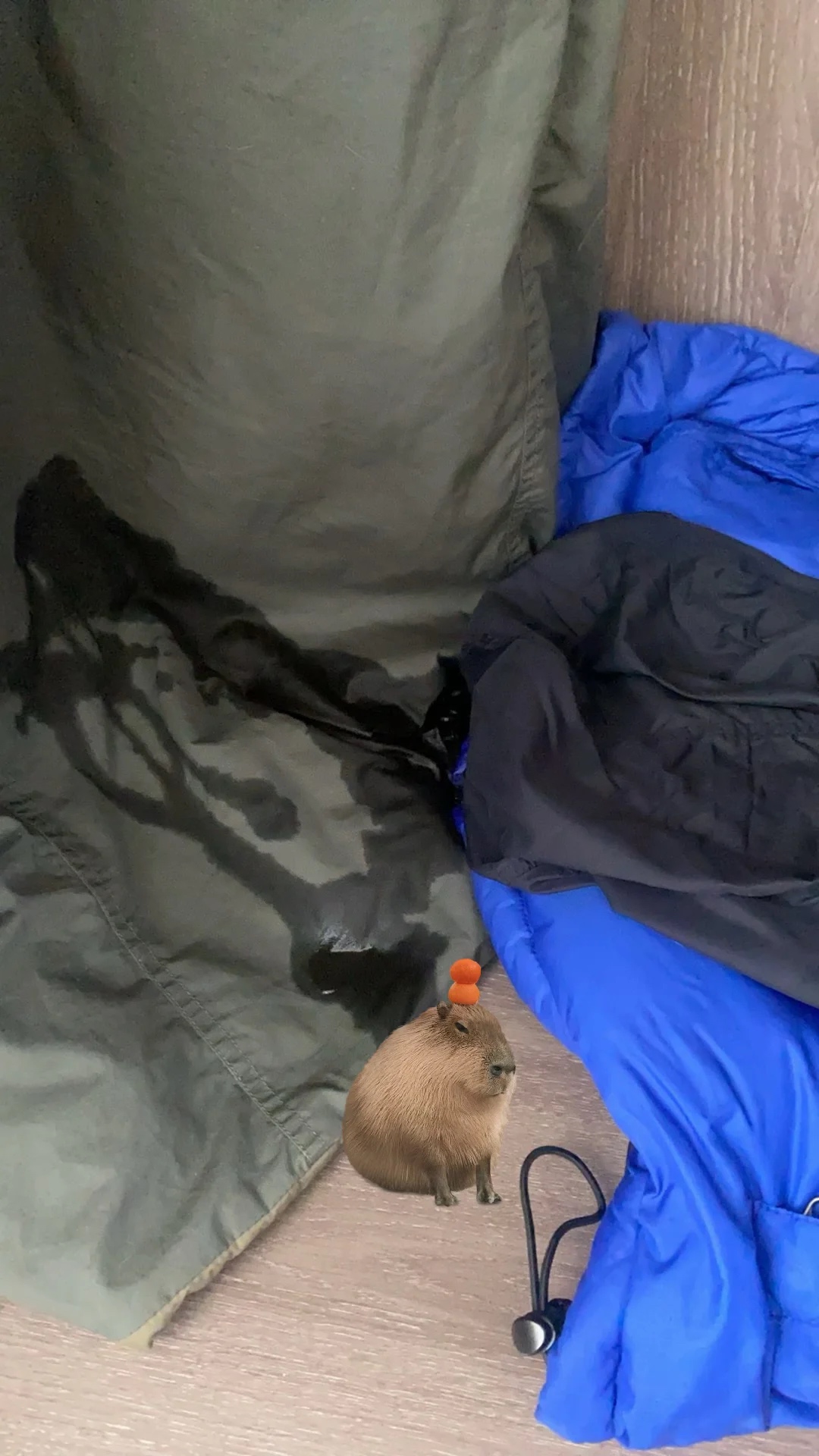
Check access during the ordinary laundry routine, not just where clothes finish the day. An open wardrobe, a basket waiting by the washer, and a coat spread across a chair are different opportunities. Choose storage that actually closes and stays shut after everyone in the household uses it.
Keep wet or soiled garments separate from clean ones. If a hamper has open sides or a lid the cat can push aside, it may not solve the access problem. A closed bedroom or wardrobe can be useful while the underlying bathroom arrangement is being reviewed, provided the cat still has uninterrupted access to an accepted toilet.
There is no need to replace every garment or change the whole laundry routine at once. Remove the recurring opportunity first, clean the affected item appropriately, and note whether accidents appear somewhere else. That observation helps keep the next adjustment focused.
Compare ordinary urination with marking
The ASPCA distinguishes urine marking from other litter-box problems. Marking commonly involves a standing cat, an upright tail, and a relatively small deposit on a vertical surface. A squat over a horizontal pile of clothes is a different pattern. Marking can coexist with normal litter-box use.
If you have an existing camera view of the area, look for the actual posture and event rather than simply noting that the cat stood near the laundry. A clip of a cat sitting on clothes is not the same as a visible bathroom visit. Keep the useful sequence so that you can describe what happened accurately.
A camera showed which surface was involved. The owner of a four-year-old cat shared two home-camera frames showing the cat on fabric spread across a couch. Check the actual event and remove unattended clothing from that surface while you review the nearby toilet options.
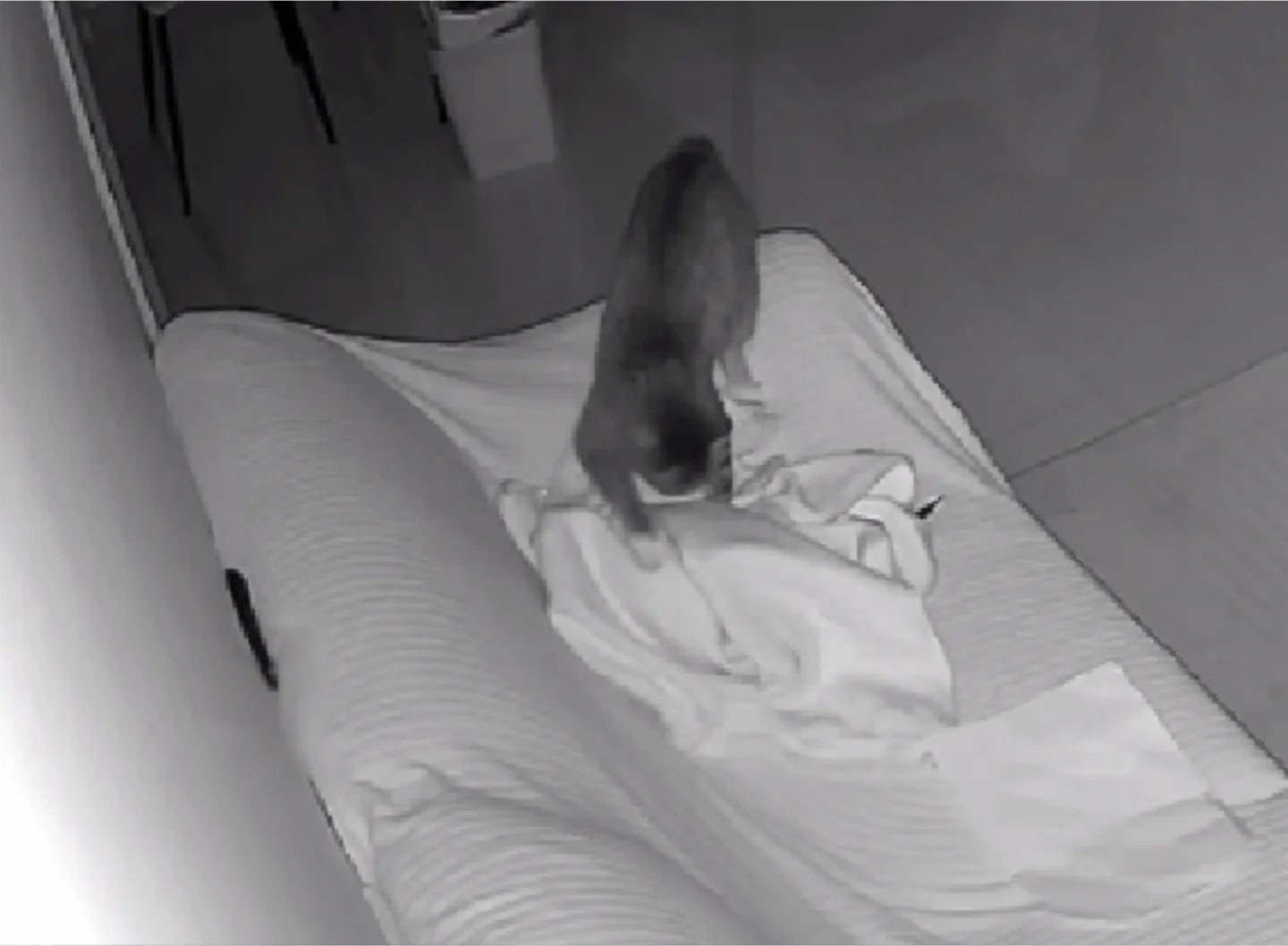
Record whether the cat was standing or squatting, where the urine landed, and which boxes were accessible at the time. These observations are useful even when you cannot confidently categorize the behavior yourself. A description such as “small deposit on the hanging coat” is clearer than a label like “revenge.”
Make the litter box an easier choice
The ASPCA identifies cleaning, box size, covers, access, location, and litter preferences as common management issues. Its practical starting guidance includes one box per cat plus one extra, 1–2 inches of litter in a conventional tray, daily waste removal, and a weekly wash using unscented soap or baking soda.
Compare those conditions with your home. Can the cat reach a clean box from where it sleeps? Does the route require passing a dog or another cat? Is the tray behind the same bedroom door that gets closed when the laundry is put away?
Offer a large, easy-entry open tray with familiar litter if the current design is awkward or covered. Preserve the accepted toilet while testing the alternative. Keep the litter texture, scent, and location steady enough that you can see whether the container itself affects the next visits.
In a multi-cat home, independent access is particularly useful. Several trays beside one another behind a narrow doorway may all become difficult to reach at the same time. Watch the approach as well as the inside of the box.
Match the first action to the clothing situation
Use the following table to organize the immediate household change. Pair it with the litter-box review rather than expecting storage alone to explain every accident.
| Where the clothes were | Immediate action | What to observe next |
|---|---|---|
| Piled on the floor | Move them into a closed hamper | Whether another soft surface is chosen |
| In an open basin or basket | Use a container that closes | Whether the cat still has a usable toilet nearby |
| Spread across a couch or bed | Put away waiting garments | Whether accidents occur on the underlying furniture |
| Being returned to a wardrobe | Finish the put-away routine and close it | Whether the same location is sought again |
| Hanging with a small vertical deposit | Record posture and the affected height | Whether the event resembles marking |
A short note of the date, garment location, and box availability is enough to begin. Add the one change you made, then check the next routine bathroom visits. If the problem moves to a new surface, keep that information rather than assuming the original change failed in every respect.
Clean the garment and assess a new toileting change
Read the garment’s care label before treating it. Blot a fresh wet patch, keep it separate from other laundry, and choose a urine-removal treatment explicitly compatible with that fabric. A washable cotton item and a dry-clean-only coat need different handling. Keep cleaning products separate rather than mixing household chemicals into an improvised recipe.
Cornell recommends veterinary assessment for house-soiling because cats with health problems may not otherwise appear ill. Arrange assessment for a new or recurring change, and bring the observations about posture, actual urine, timing, and accessible trays. That gives the assessment a clearer starting point than the location of one garment alone.
FAQ
Why does a cat pee on clothes on the floor?
A soft, accessible pile may become an alternative surface when the cat dislikes something about its box or prefers another place. Review the toilet conditions and remove unattended piles while investigating.
Why would a cat pee on clean clothes?
Freshly washed clothing can still be an accessible fabric surface. Close storage during the put-away routine and check the cat’s toileting pattern rather than treating clean laundry as protected from accidents.
How can you stop a cat peeing on clothes?
Store garments out of reach, clean affected items appropriately, and provide an easily reached, clean toilet with familiar litter. Record repeated accidents and address a new toileting change rather than relying on scolding or stronger laundry fragrance.