
Cats typically pass stool once or twice a day, although an individual cat can have a different regular pattern. Count actual bowel movements rather than every litter-box visit or every piece of stool. A change in the cat’s usual routine, especially alongside discomfort or changes in eating, deserves attention even when a daily total looks ordinary.
The household examples below come from publicly shared experiences, not a statistical study; individual cats and the way bathroom events are recorded differ.
Start with a frequency reference, then check the individual
Veterinarian Kelly St. Denis’s house-soiling guidance describes defecation as typically once or twice daily, with some cats showing a less frequent regular pattern. The same assessment approach includes food, drinking, stool characteristics, and changes in behavior. Frequency is one part of that description.
Begin by noting what actually happened and when. Finding stool during a morning scoop does not tell you its exact arrival time. A camera event may help, but confirm that it shows defecation rather than an inspection of the box or a urination.
Use the same observation window when comparing days. If the box was cleaned at different times or another household member removed waste, add that information. Otherwise, the totals can appear to change because the record changed.
| Observation | Record it as | Useful context |
|---|---|---|
| A clearly observed bowel movement | One bathroom event | Cat, time, and appearance |
| Stool found during cleanup | Stool found since the last scoop | Start and end of the cleanup window |
| Several pieces in the same event | One observed event with several pieces | Appearance rather than a guessed visit count |
| A device alert without a clear event | Unconfirmed notification | Review the video or physical box |
Count confirmed bowel movements, including in a shared box
A box entry may be an inspection, a urination, or a bowel movement. Count confirmed stool events and identify the cat rather than treating every notification as defecation. Use the same observation window each day and compare the record with what is present at cleanup.
One owner removed a night light after finding that it affected a litter-box camera’s sensor. Check daytime and nighttime recordings before relying on a device’s count.
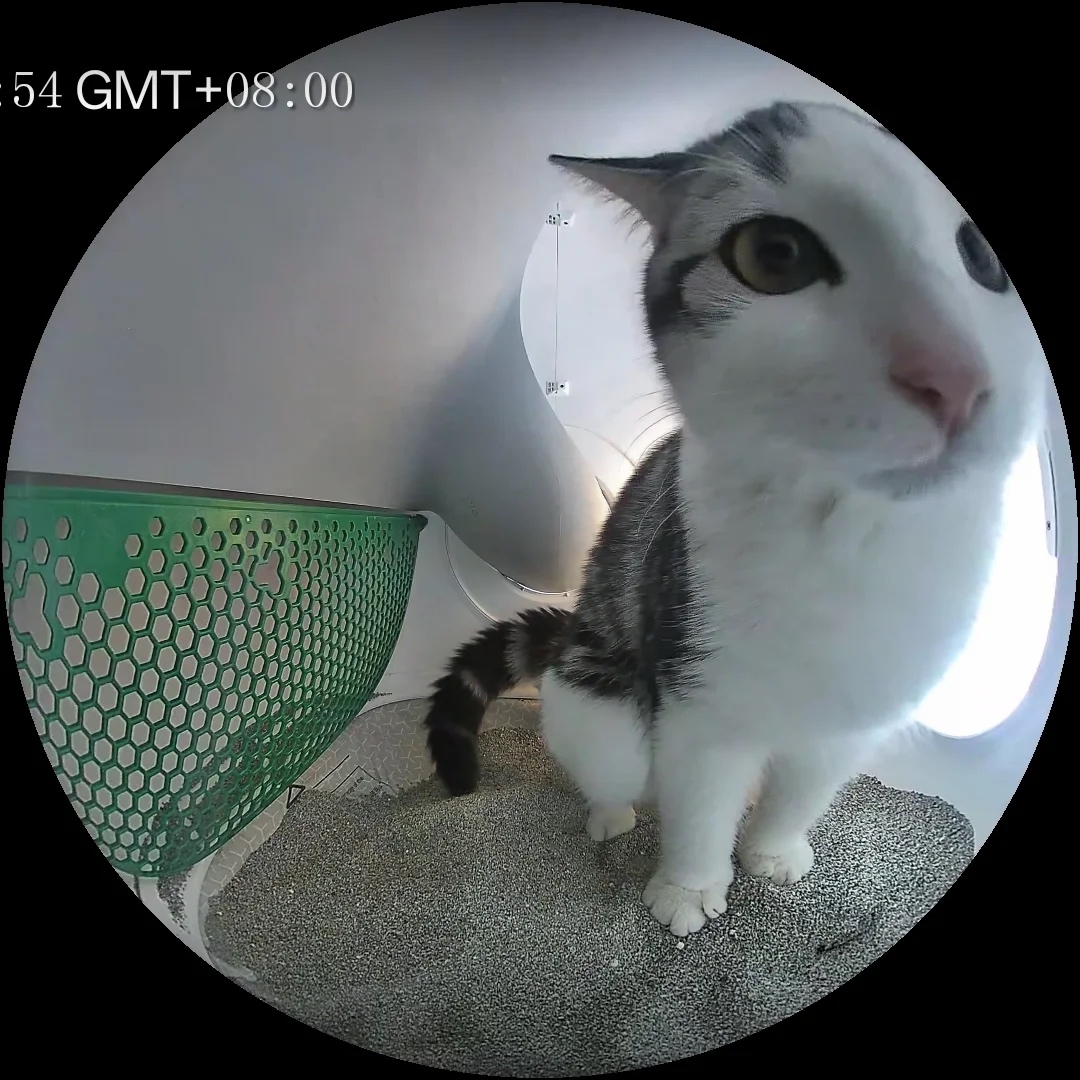
The trial exposed missed events. An owner who bought a litter-box camera recorded experience from the evening of April 10 through midday April 19 and described missed stools as well as long urination visits labeled as defecation. Compare selected recordings with the actual litter-box contents before using the app total as a daily bowel-movement count.
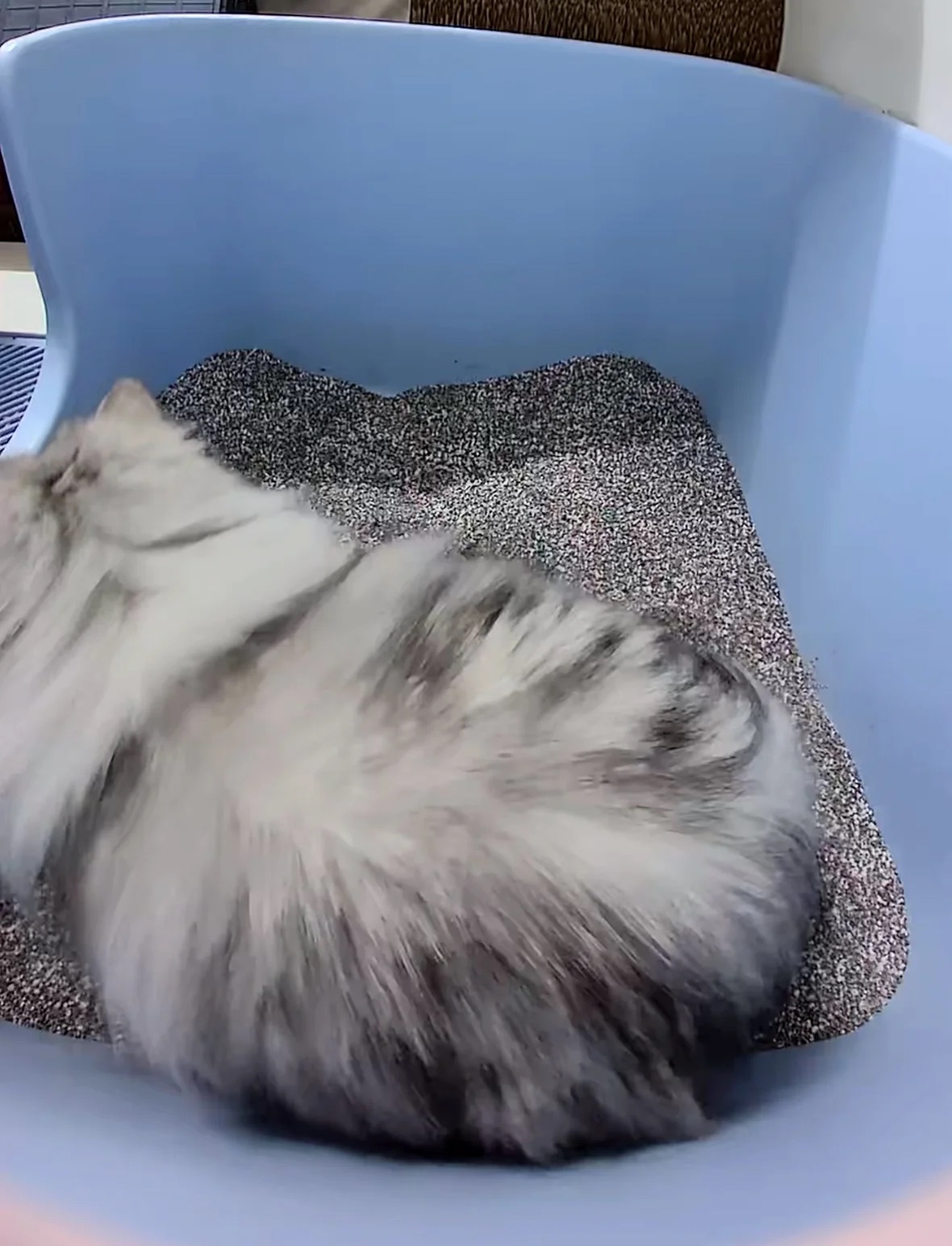
The correct cat needed manual selection. In a multi-cat home, an owner described a camera assigning some visits to the wrong cat and having to correct the selection manually. Confirm the cat in the recording before adding an event to its individual bathroom history.

Match a visible event to the individual cat before adding it to a daily total. In a shared box, write “cat unknown” if the recording does not resolve identity; stool size alone is not an identity check. Leave unclear notifications unconfirmed and record any waste another person already removed.
Kittens have a different care context
Best Friends Animal Society’s bottle-feeding guide describes one to four bowel movements a day for bottle-fed kittens and urination after each feeding. Very young kittens need an age-appropriate care and elimination plan. That reference belongs to bottle-fed kittens, rather than being a target for every adult cat.
The one-to-four figure is specifically for bottle-fed kittens. For a weaned kitten, ask your veterinarian what frequency fits its age and diet, and keep a record of actual stool and any change from its routine. Keep the tray easy to reach, with a consistent cleanup window so that the record can be compared from day to day.
Food changes, travel, adoption, and a different cleanup routine all deserve context in a bathroom record. Note what changed without deciding from timing alone that you have identified the explanation. Keep the usual food and water access while obtaining advice about a concerning pattern.
Keep urine and stool frequencies separate
The Veterinary Referral Center of Central Oregon gives about 2–4 urinations daily for healthy adult cats. Keep that urine reference separate from the once-or-twice-daily stool reference. A combined app total cannot tell you whether either pattern changed.
Use separate columns for urine and stool, and leave unidentified visits unclassified. If a cat repeatedly strains without producing urine, seek urgent help rather than assuming it is waiting for a bowel movement.
Scoop regularly so the next count has a starting point
ASPCA litter-box guidance calls for removing waste at least daily. It also recommends enough accessible boxes, with one per cat plus one extra. Cleaning and access support ordinary toileting while making the observation window clearer.
Record stool when you remove it, even if you do not know the exact time it appeared. Keep urine and stool entries separate. If a device combines them under “bathroom visits,” inspect the individual events before using the total to answer either frequency question.
Signs of constipation or diarrhea
Cornell’s constipation guidance describes infrequent or difficult passage of hard, dry stool. Note dry pellets, repeated straining, a falling bowel-movement frequency, or a change from the cat’s usual stool. These signs deserve veterinary advice rather than a home attempt to force a daily bowel movement.
Cornell’s diarrhea guidance describes loose or watery stool, often with increased frequency. Seek veterinary care promptly if diarrhea continues beyond a day or two and the cat also has poor appetite, lethargy, or vomiting. Take a description of the stool and its frequency to the appointment rather than treating every extra trip as a normal variation.
The San Francisco SPCA’s missing-stool guidance recommends veterinary evaluation after more than 48 hours without defecation. Seek help sooner for discomfort, repeated straining, poor eating, or other illness; the time threshold is not a reason to wait through distress.
Before reporting a missing event, check whether someone else scooped, whether another tray was used, or whether stool was left elsewhere. Bring the cleanup log and any clear photograph. Keep food, water, and the familiar toilet accessible while obtaining advice, and leave laxatives or enemas to a veterinary plan.
FAQ
Do cats poop every day?
Many do; the cited veterinary reference gives once or twice daily as typical while recognizing less frequent regular patterns. A new change still deserves attention even if another cat’s routine happens to be similar.
How often should a kitten poop?
Best Friends gives one to four times daily specifically for bottle-fed kittens. For a weaned kitten, ask your veterinarian about its age and diet rather than carrying that neonatal range forward. Record actual stool and changes from the kitten’s own routine.
How often should you take poop out of cat litter?
Remove waste at least daily, and note what was removed if you are monitoring frequency. Keeping the cleanup time consistent makes the next observation easier to interpret.
How much should a cat poop?
Record stool size, amount, consistency, and changes alongside frequency. The veterinary assessment reference considers those features together; a daily event count by itself does not describe the amount passed. Bring a clear description or photograph of a change rather than aiming for a universal stool weight.