
Put the new litter box beside the familiar one, use the familiar litter, and let your cat choose it before removing the old toilet. Keep the location and other bathroom conditions steady while you test the new shape. If the cat stops using a box, restore an accessible familiar option and reassess the change.
The household examples below are drawn from publicly shared experiences, not a statistical study; individual cats and home layouts differ.
Change the box without changing the whole bathroom
A new box can introduce a higher step, a lid, a swinging door, a different texture underfoot, or less turning room. ASPCA’s litter-box guidance identifies size, access, covers, location, and litter preferences as reasons a cat may avoid its toilet. Start by keeping as many familiar features as possible.
Set the new tray close enough that your cat can find both options along its usual route. Keep food and water elsewhere. A hallway corner that feels convenient to you may put the cat beside a noisy appliance or leave it with only one way past another pet.
Use the current litter for the first comparison, provided the new box allows it. Keep its texture and scent consistent. If you also want a new litter, test that separately after the cat has established a comfortable toilet routine. Otherwise, refusal leaves you unable to tell whether the problem was the container or its contents.
Two changes landed at once. An owner replaced both the box and the litter in one day, then reported that the cat had not used the toilet overnight. Restore the familiar option and separate the box change from the litter change.
Check size, entry, and the lid
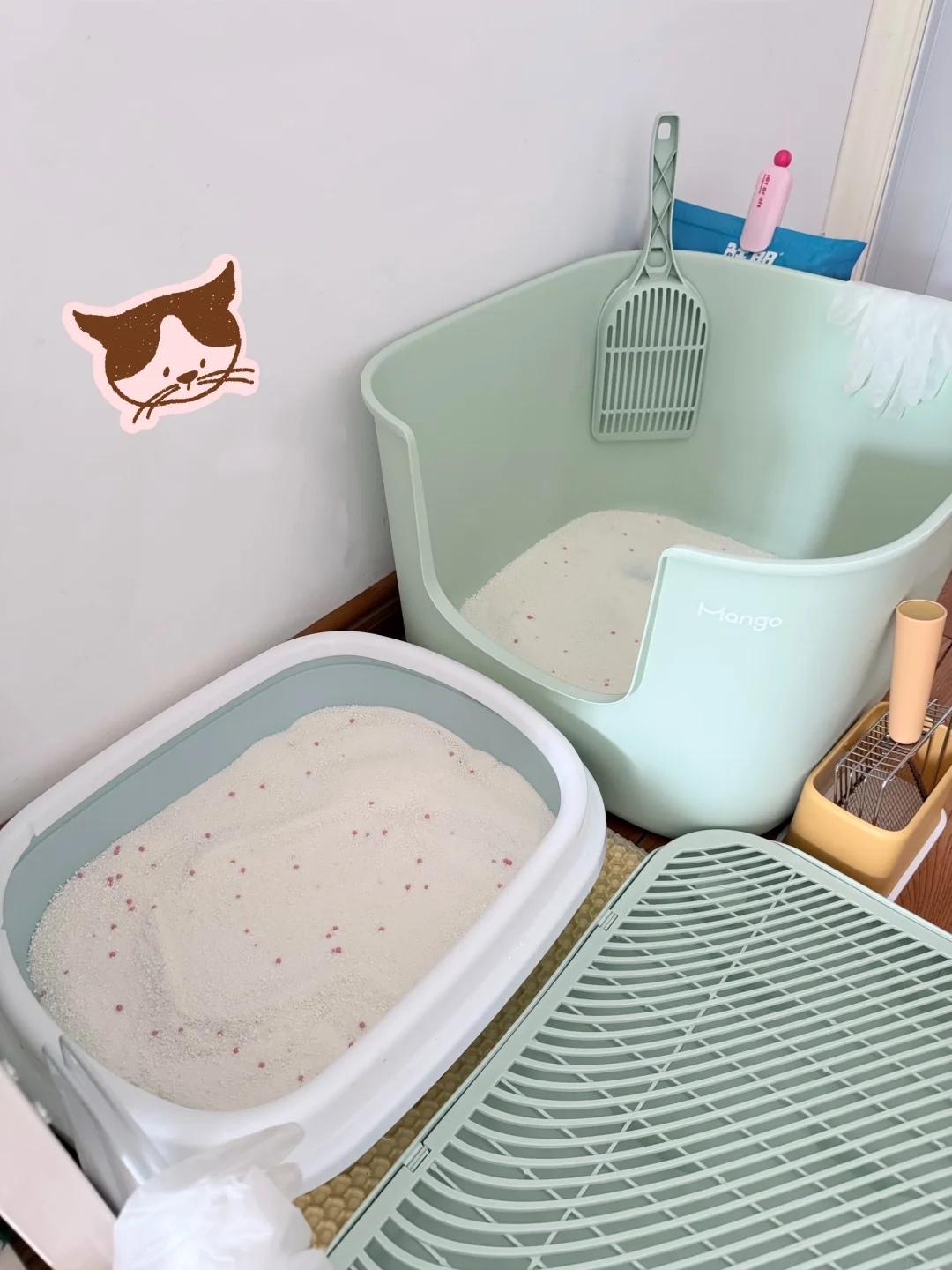
Look for a box your cat can enter and turn around in comfortably. The ASPCA notes that high sides or top-entry boxes can be difficult for cats with limited mobility and that many cats dislike lids or liners. An open, easily reached tray is a useful comparison if the new enclosed box is being ignored.
For a conventional tray, ASPCA guidance gives 1–2 inches of litter as a starting depth. Keep that trial depth even across the base rather than piling litter around the entrance. Equipment with a specified fill line needs its own fill requirement.
Observe the approach before deciding that the cat needs training. Does it put its head through the opening and back out? Balance on the edge? Touch the flap and stop? Those actions identify a feature worth changing. A cat that never reaches the doorway may instead be avoiding the route or location.
If the design allows the door or lid to be removed, begin with the simplest approved configuration. Keep detachable pieces and fasteners outside the cat’s reach. A temporary arrangement should remain stable when the cat enters, digs, turns, and leaves.
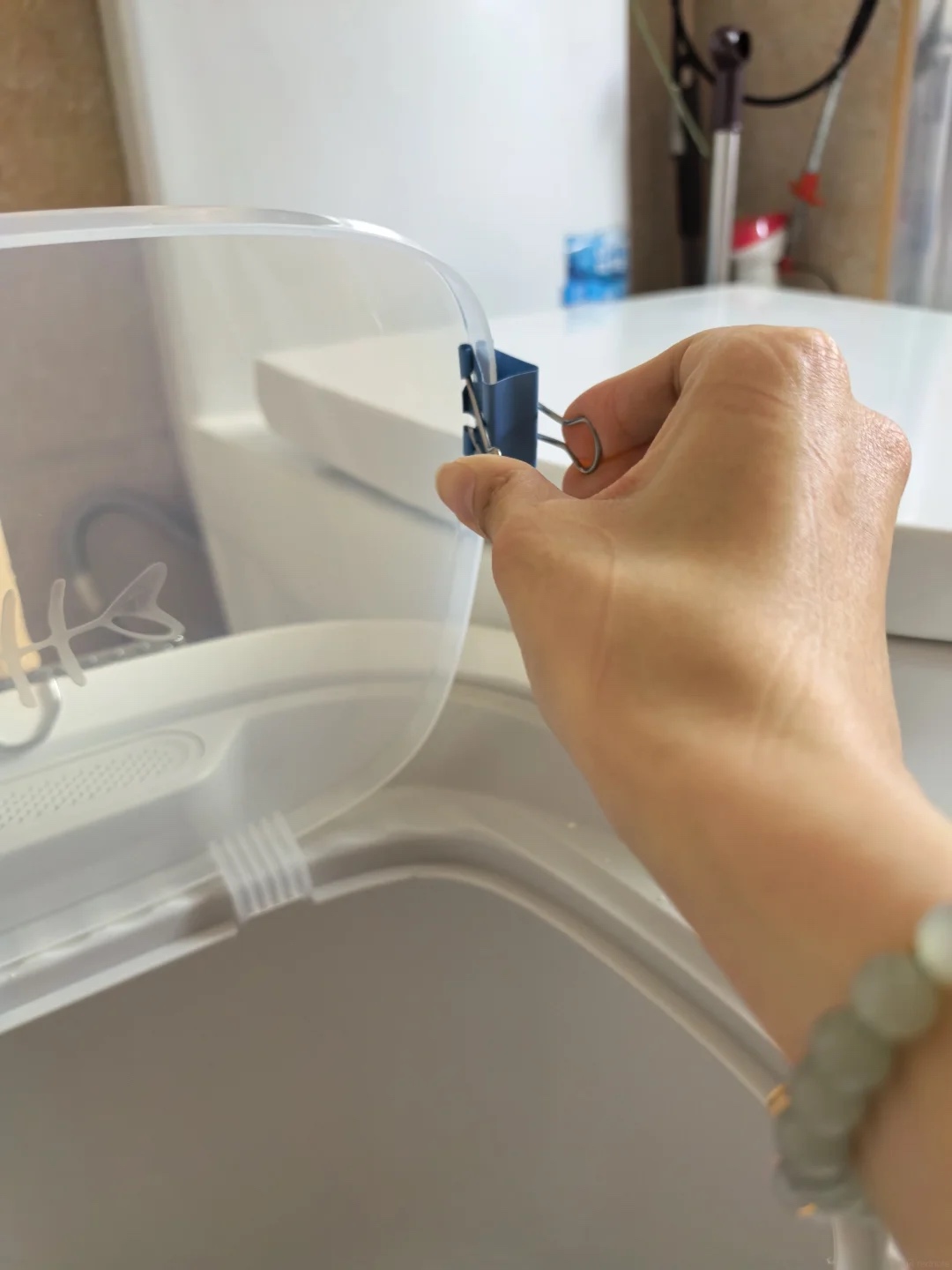
The flap was the obstacle. Faced with a cat that would not enter a covered box, one owner held its swinging door open with a large binder clip and gradually changed the opening. If a flap is the stopping point, use a stable manufacturer-permitted door-open or door-off arrangement to test the entrance first.
Keep both toilets available during the trial
Scoop both boxes on the normal schedule and watch actual elimination rather than casual exploration. The cat may sniff, sit, or play inside a clean new tray without treating it as a toilet. Record a bathroom visit only when you can identify urine or stool.
In a multi-cat home, note which cat used which tray. One confident cat can account for all the waste in the new box while another continues relying on the old one. Keep the familiar option in place until the cat you are introducing has shown repeated comfortable use.
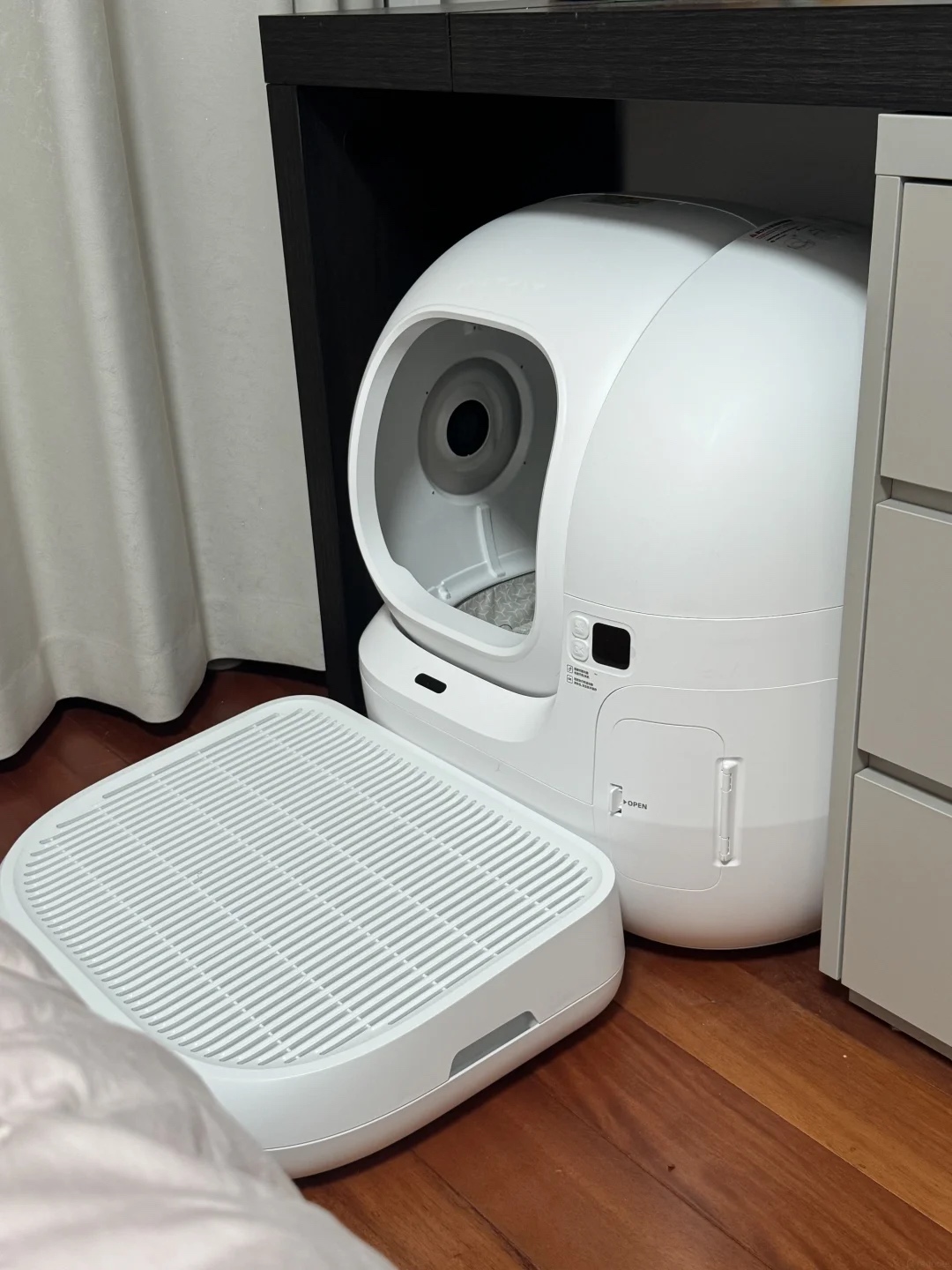
Avoid creating urgency by withholding the only accepted toilet. A choice trial gives you information; an unavailable toilet mainly creates an accident risk. If another pet waits by the entrance, adjust access and distribution instead of putting both boxes behind that same bottleneck.
ASPCA recommends one box per cat plus one extra. For two cats, that means three boxes, with access that lets each cat approach and leave comfortably. Treat a replacement as part of that household provision rather than assuming that a larger new box removes the need for separate resources.
Watch for a delayed refusal
The old tray revealed a preference. One household’s cat used a new box for two days and then refused it; when the owner brought the original tray back, the cat used it immediately. Keep the old box available until the replacement has remained comfortable through repeated visits.
An early success is encouraging, but check the next visits as well. Notice whether the litter level changed, the lid was replaced, a door began closing, or cleaning introduced a new smell. Returning to the last comfortable setup makes the next comparison easier to interpret.
Write down the feature you changed and the result before trying another adjustment. For example: door removed, cat entered and eliminated; lid replaced, cat approached and left. That is more useful than changing the litter, moving the box, and adding a cover on the same afternoon.
When refusal needs more than a new setup
A sudden change in toileting deserves attention even if it happened around the time of a purchase. Cornell explains that house-soiling can involve health problems, box aversion, or a preference for another location. Arrange veterinary assessment for a new elimination problem rather than assuming the container is the whole explanation.
While reviewing the setup, make the familiar toilet accessible and keep the household routine predictable. There is no advantage in continuing a change that leaves the cat without a usable bathroom. A basic open tray can remain a permanent option if the new design never becomes comfortable.
For a newly adopted cat, make the route especially easy to find: start with a quiet, accessible bathroom area, show where the tray is without pushing the cat inside, and keep that location stable while it learns the home.
FAQ
How do you transition a cat to a new litter box?
Introduce it beside the accepted box with familiar litter and an easy entrance. Keep both clean, observe actual toileting, and change one feature at a time. Remove the old tray only after repeated comfortable use of the replacement.
Why will a cat not use a new litter box?
The entry, lid, dimensions, litter, location, or access route may be different in a way the cat dislikes. Compare those features with the accepted box instead of repeatedly placing the cat inside.
Will a cat automatically use a new litter box?
Some cats use it readily; others need a gradual choice trial or a simpler design. Early use does not guarantee continued acceptance, so retain the old box while you observe the next visits.
When should you replace a litter box?
Inspect the current box rather than replacing it on a universal calendar. Damage that leaves sharp edges, an unstable base, or surfaces you can no longer clean well is a reason to choose a replacement and introduce it gradually.