
Blot fresh cat urine, check the couch’s material and cleaning code, and choose an enzyme cleaner if its label permits that upholstery: enzymes break down urine residues rather than covering their smell with fragrance. Find out whether urine reached the cushion filling or underside before repeatedly treating the visible stain. Leather, solvent-only fabrics, and deeply soaked cushions need a material-specific approach.
The household examples below come from publicly shared experiences, not a statistical study; upholstery, cleaning products, and how deeply urine traveled affect the result.
First, check what you can safely wet
Look under a cushion or beneath the couch for the upholstery tag. Ashley’s furniture-care guide distinguishes water-based spot cleaning, solvent cleaning, and vacuum-only care. A zipper alone is not permission to remove and machine-wash a cover.
| Code or material | Starting decision |
|---|---|
| W | Use an approved water-based upholstery spot cleaner; limit wetting |
| S | Use the specified dry-cleaning approach; ask an upholstery professional about urine treatment |
| SW or WS | Use an approved upholstery shampoo or mild solvent as allowed; avoid saturating the fabric |
| X | Limit home care to vacuuming or light brushing; get advice for a liquid urine stain |
| Leather | Identify the finish and use a treatment explicitly approved for that leather |
If the label is missing or the instructions are unclear, contact the furniture maker or a professional cleaner before pouring anything into the cushion. Keep a photo of the tag and the product label together. The treatment needs to fit both the couch and the cleaning product.
Gather plain absorbent towels, a waste bag, gloves suitable for the cleaner, and a way to keep the cat away from the working area. Set aside any pillows or throws that were affected so that each item can be handled according to its own care requirements.
Blot the fresh accident and inspect the layers
Use a clean absorbent cloth or plain paper towel to lift the fresh liquid. Work through dry sections of the cloth instead of spreading the wet area with repeated rubbing. Check seams and the gap between cushions, where a surface accident can disappear from view.
Lift a loose cushion only if the couch design allows it. Look at its underside and the support surface below. Keep the cover, filling, lining, and frame separate in your notes: “the seat looks clean” does not describe what is underneath it.
The leather top hid another affected layer. After a cat urinated on a newly re-covered sofa, the owner found that fabric underneath had soaked up liquid and that odor remained the next day. Inspect the cushion underside and lining before treating only the visible seat.
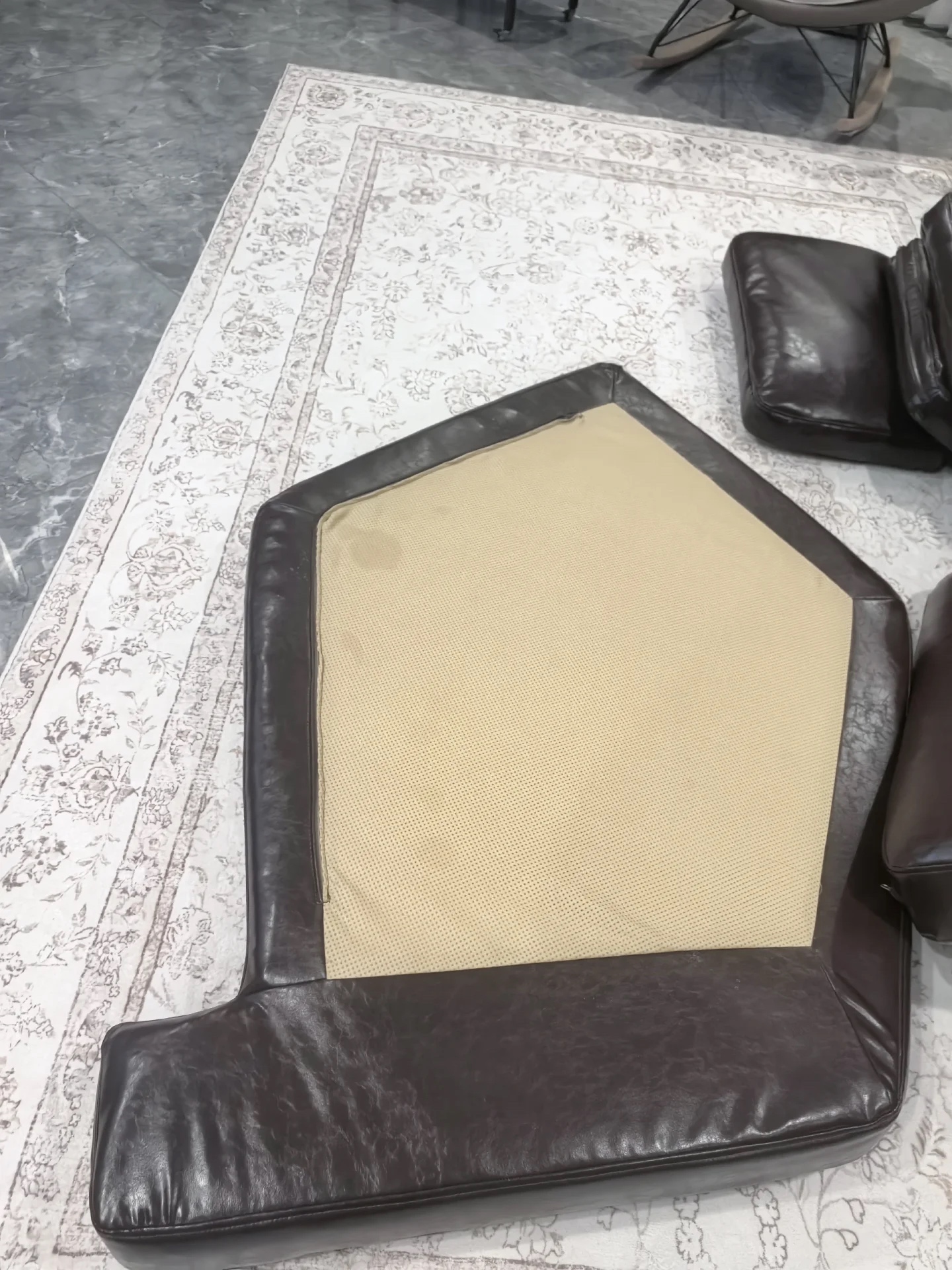
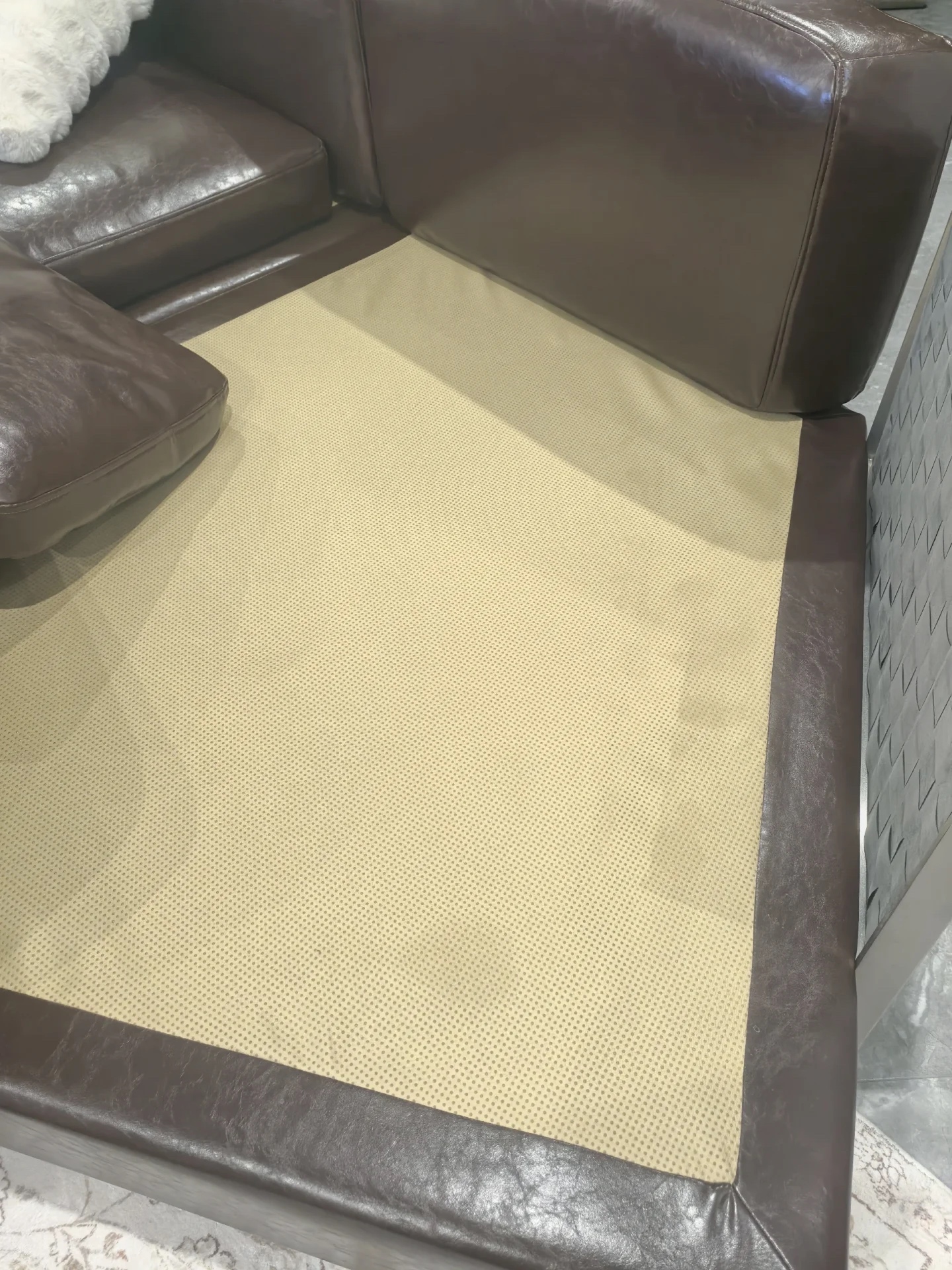
For a loose washable throw, follow its laundry care separately from the couch. For an attached cushion or inaccessible filling, describe the depth of the problem to a professional rather than assuming a spray on top will reach every affected part.
How to get cat pee smell out of a couch
East Bay SPCA’s urine-cleaning guidance calls for an enzymatic cleaner to break down urine compounds and remove lingering odor. Treat the affected material and layers that the cleaner can safely reach, then assess the smell after the area has dried; adding perfume is not a substitute for removing the residue.
The ASPCA’s litter-box guidance advises against ammonia-based cleaners because their odor may attract a cat back to urinate in the same place. Choose a pet-accident cleaner compatible with the couch instead, and keep different cleaning products separate.
Use the cleaner’s actual contact and drying steps
An enzyme cleaner is one option, not the formula of every urine-removal product: Skout’s Honor describes its stain-and-odor products as non-enzymatic. Contact time varies by formula. For example, Skout’s Honor’s stain-and-odor directions specify about five minutes, followed by absorbing excess moisture with a colorfast cloth and letting the area dry naturally. The same directions call for a hidden-area test and exclude leather, silk, wool, and untreated hardwood.
That example is useful because it gives a real sequence, not because its timing applies to every cleaner. Read the steps on the product you have, including whether to blot, rinse, extract, or leave it to dry. Use it only where the upholstery’s care requirements also allow that process.
Test an inconspicuous area before the visible seat. Check for color transfer or a change in finish, then proceed only if the material remains suitable. Keep products separate: adding another household chemical creates a new mixture with different behavior from the labeled cleaner.
Work on the affected area without automatically soaking the entire couch. If reaching the urine would require saturating a cushion that the furniture maker says to keep lightly wetted, get professional advice. The limits of the upholstery still apply when the odor is frustrating.
Treat leather as its own material
Leather care depends on the finish and the actual product. Ashley recommends gentle handling and a hidden-area test, while its upholstery section uses separate cleaning codes for fabrics. Use the leather-specific instructions for your piece and confirm that the exact cleaner permits leather.
A leather-sofa owner described repeated spraying and leaving the treatment overnight, with the odor gone the next morning. Choose a treatment approved for your own leather finish before beginning an overnight application.
If urine entered a seam or fabric backing, cleaning the leather face may be only part of the work. Explain which layers are wet when you ask the manufacturer or cleaner for advice. Keep direct heat away from the repair attempt and let the approved process determine drying conditions.
For dried or returning odor, reassess before repeating
When a treated couch dries but still smells, check the original affected area, its underside, adjacent seams, and any throw or rug that was present. Record what was used and when. That helps distinguish an untreated layer from another accident or a cleaning residue.
Repeated extraction was a substantial job. One owner spent more than two hours on a gray couch with a wet/dry vacuum and brush, making three or four extraction passes while marks remained visible. Check the upholstery’s permitted process and the likely work involved before hiring or buying cleaning equipment.
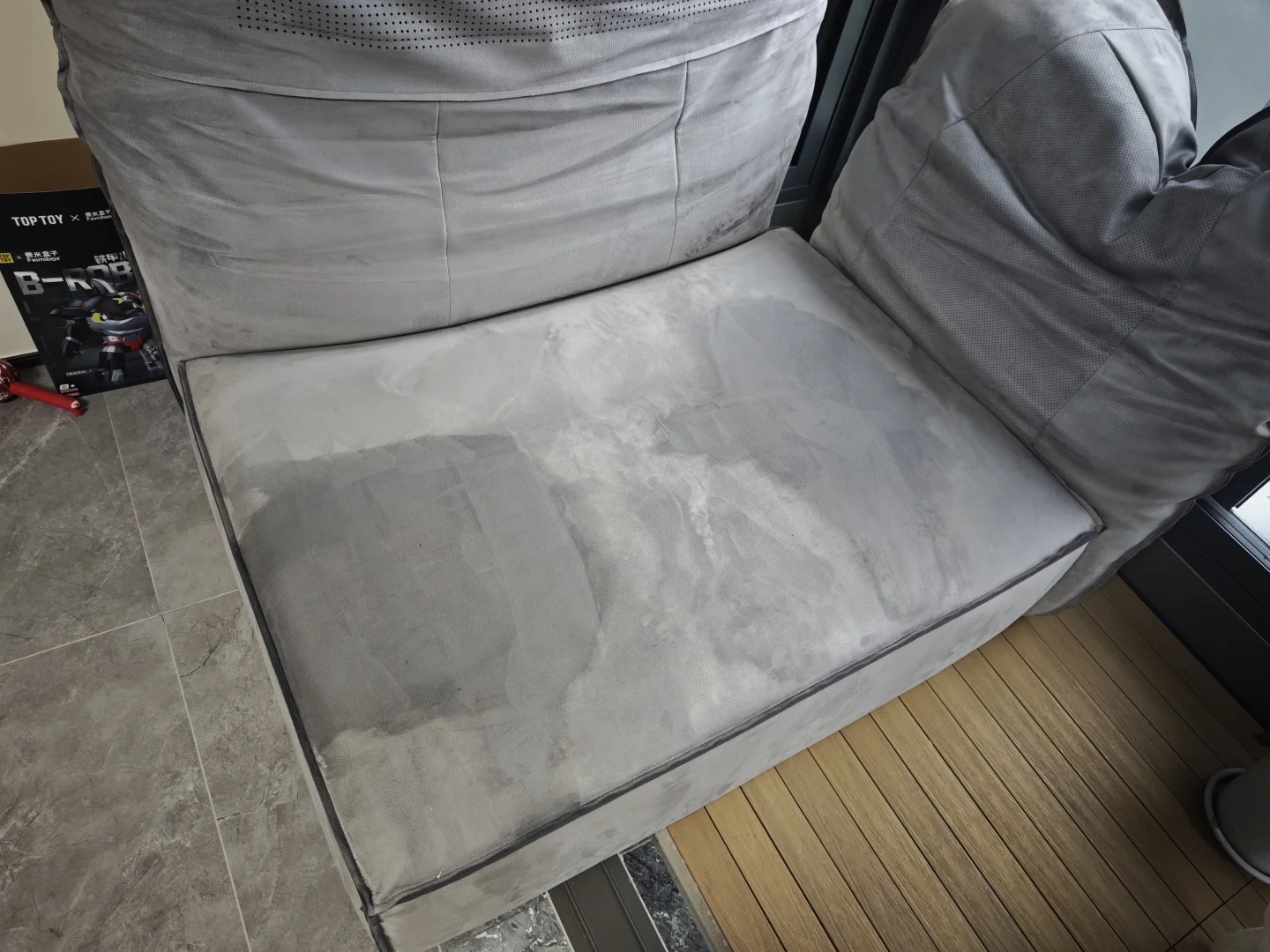
Use an extraction machine only when both the furniture and equipment instructions allow that job, with the approved solution and configuration. Keep a record of the result after the material is fully dry. If odor or staining remains, an upholstery specialist can assess cleaning access, filling, and whether a component needs replacement.
Keep the cat off the treated couch until the cleaner’s drying and re-entry requirements are met. Provide its accepted toilet throughout the cleanup. New or recurring accidents also deserve a review of the cat’s bathroom setup rather than becoming a cycle of couch treatment alone.
FAQ
How do you remove cat urine smell from a couch?
Find all affected layers, check the care code, and use a compatible enzyme cleaner or another permitted urine-removal treatment with its stated contact and drying steps. Returning odor is a reason to inspect the filling and underside before repeating a surface spray.
How do you clean cat pee from a leather couch?
Blot promptly, identify the leather finish, and choose a product that explicitly permits that material. Check seams and fabric backing as well as the leather face; ask the furniture maker or an upholstery cleaner when treatment would reach hidden layers.
What if cat pee has soaked into the couch foam?
Check whether the filling is accessible and whether the couch permits the necessary cleaning and drying. If it cannot be treated without violating its care requirements, ask about professional treatment or replacement of the affected component.