A clean, intact plastic litter box is not inherently harmful in normal home use; veterinary guidance includes plastic storage tubs as an option. The main concerns are a worn surface that retains dirt and odor, physical damage, and a cat avoiding an unpleasant box; replace a scratched or cracked pan, or one that remains dirty or smelly after washing. The household cases below compile publicly shared experiences rather than tests of health outcomes.
Which concerns about plastic litter boxes have evidence?
Can scratches trap germs and make a cat sick?
Scratches are a legitimate hygiene concern. Oklahoma State University’s pet-item replacement advice says small scratches in a litter pan may trap odor and germs, and advises checking during cleaning and replacing a scratched box. A rough or scored surface deserves attention even when the pan still holds litter without leaking.
That advice supports replacing a worn pan; it does not show that every visible scratch causes an infection. There is no direct evidence in that guidance that a particular scratch will make a cat ill. Treat scratching as a maintenance and replacement signal, rather than using the appearance of the box to diagnose a health problem.
At the next full wash, look closely at the floor and corners after removing the litter. Note grooves that retain residue, patches that catch a cleaning cloth, and rough areas along the entry. A scratched plastic pan can be replaced with another suitable plastic pan; changing the material is a separate choice from replacing the worn surface.
Does retained odor mean the plastic is toxic?
A smell that persists after washing is a reason to replace the pan, not evidence of chemical poisoning. Oklahoma State identifies odor retention in scratches as a practical problem. Check the empty, washed, dry pan as well as nearby flooring and splash areas, so the source of the remaining smell is clear.
The CDC’s pet-supply hygiene guidance explains that pet items can carry germs and distinguishes cleaning from disinfecting. Wash away visible waste first; if disinfecting is needed, use a suitable labeled product, its contact time, and its rinsing directions. A strong fragrance is not a substitute for removing the waste.
The relevant question is whether the box comes clean and remains acceptable to the cat. A tray that still smells immediately after a proper wash is a poor candidate for repeated perfume or deodorizer treatments. Replace it and clean the surrounding area, while keeping a usable toilet available throughout the change.
What about BPA, plasticizers, and other chemicals?
BPA exposure has been measured in cats. A published study of BPA in older cats examined blood concentrations, diet, living environment, and clinical findings; it did not test plastic litter pans as an exposure source. Separate research has also detected phthalate metabolites in cats, without establishing a litter-box cause.
There is currently no direct evidence identified in these studies that normal use of an intact plastic litter box causes chemical poisoning in cats. Detecting a chemical in an animal does not identify which household item supplied it, and a claim about plastics in general is not a test of a particular litter pan. The evidence therefore does not justify treating every plastic box as toxic.
For the pan you buy, choose a product intended for the purpose or a suitable storage tub, check its material and care information, and discard damaged parts. A “BPA-free” label answers a question about one chemical; it does not resolve scratches, retained waste, or whether the box suits the cat. Keep the condition checks below even when a package carries that label.
Can a plastic box make a cat refuse to use it?
An unpleasant box can contribute to avoidance, but the cause is not necessarily its plastic material. Cornell’s explanation of litter-box aversion identifies the box, litter, and location as possible problems and also explains that medical conditions can change toilet habits. A new accident is not proof that the pan is poisoning the cat.
Check cleanliness, odor, entry height, turning room, and whether another cat can block access. If a cat that previously used the box starts avoiding it, arrange a veterinary assessment while improving the toilet setup. For the location part of that check, see where to put a litter box.
How can you tell whether your plastic box needs replacing?
Empty the pan, wash it, rinse it, and let it dry before inspecting it. A full wash exposes wear hidden under the litter and lets you judge the pan’s condition separately from the used litter. Use a soft cloth or brush around grooves, keeping bare fingers away from broken edges.
What you find after cleaning
Replacement decision
Cracks, a sharp broken edge, or an unstable base
Replace the damaged pan
A scratched, scored surface, especially with trapped residue
Replace the worn pan; Oklahoma State recommends replacing scratched boxes
Odor remains in the empty, washed, dry pan
Replace it and check nearby splash areas too
Intact, smooth surface that washes clean and the cat uses comfortably
Keep inspecting during routine care
Avoidance despite a clean pan
Check access and other causes; replacing the material alone may not solve it
FelineVMA and ISFM’s litter-box guidance recommends daily waste removal and washing every 1–4 weeks. It also lists storage containers as possible litter boxes. Those recommendations make cleanliness and suitability central to the decision, rather than treating plastic as automatically harmful.
There is also published advice to replace on a schedule. VCA Animal Hospitals’ litter-box maintenance schedule recommends replacing the box annually. Treat that as a preventive recommendation, with earlier replacement for wear or persistent odor; it is not evidence that a pan becomes toxic on its first anniversary.
When replacing the pan, preserve a familiar usable option while the cat investigates the new one. Keep the litter type familiar at first, and check that the replacement has enough space and an accessible entry. The steps for introducing a new litter box can help keep a necessary replacement from becoming a new avoidance problem.
What changes if you replace plastic with another material?
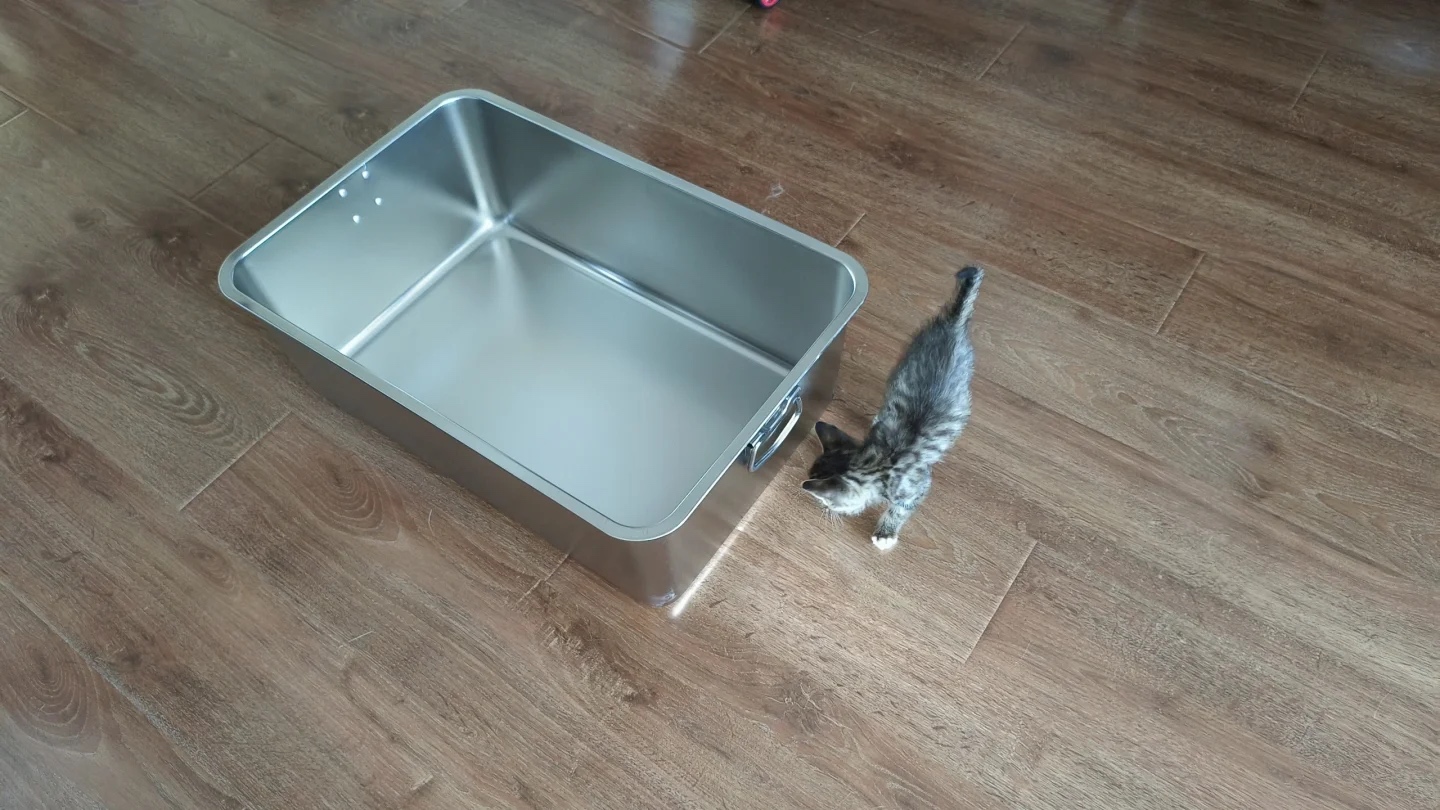
A switch can change washing effort, scooping friction, weight, or fit. Here, one owner found a metal pan easier to wash, while two disliked daily scooping after switching. Compare those practical outcomes with the specific problem you need the replacement to solve.
The scoop changed the experience. After replacing scratched plastic pans, one owner spent a week struggling with clumps in a metal pan: a metal scoop scraped unpleasantly, while a plastic scoop could not lift the stuck clumps easily. Even a roughly 6-inch litter layer was dug through to the bottom; check how your current scoop meets a new pan’s corners before committing to the switch.
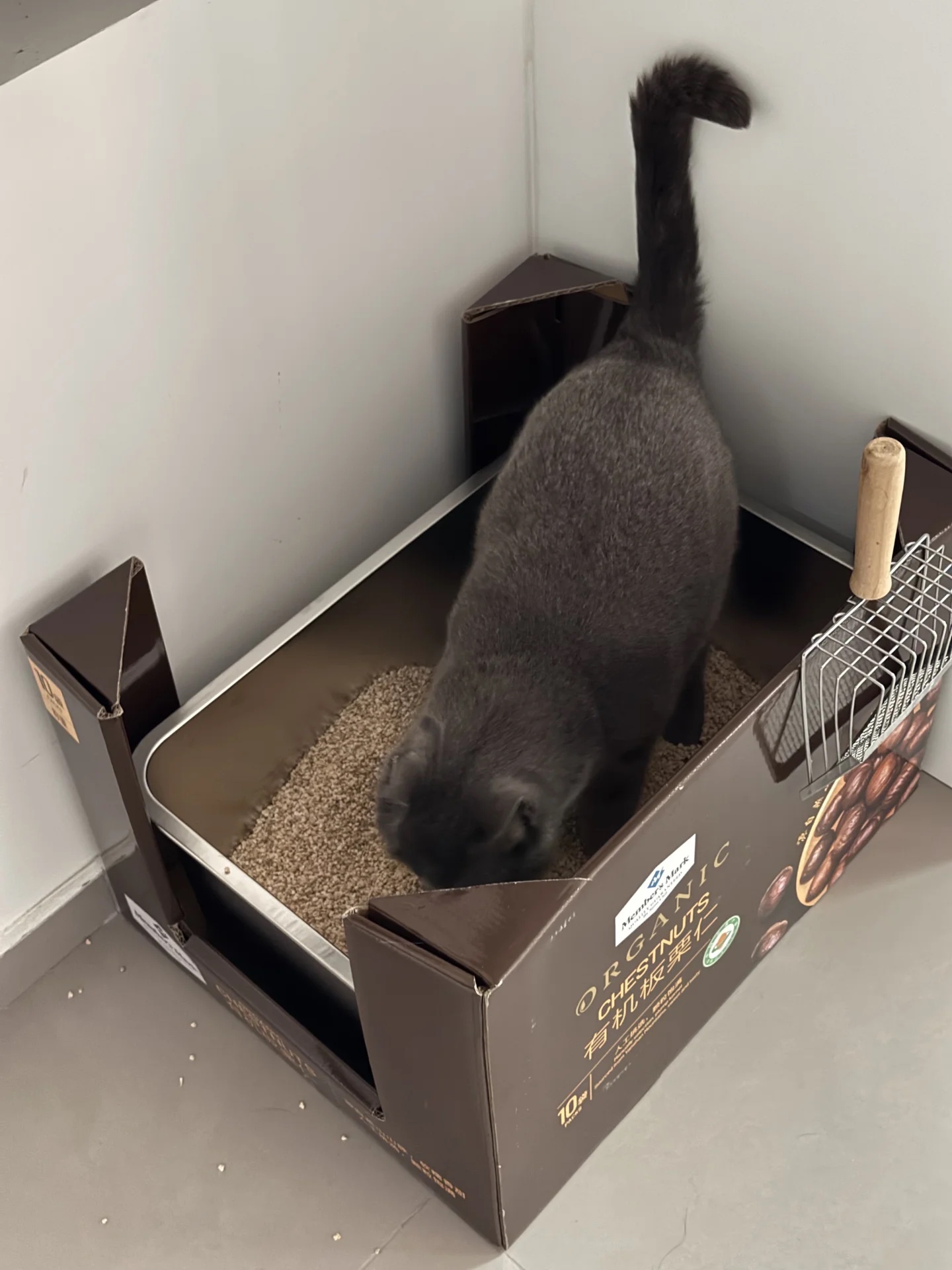
Washing became easier after a switch. A second owner reported that the replacement metal pan was easier to scrub and wash than the scratched plastic one, then fitted it inside a reused cardboard produce box to catch scattered litter. The photograph shows the cat digging inside the pan and the surrounding cardboard; inspect any surrounding shield for dampness and replace it when soiled.
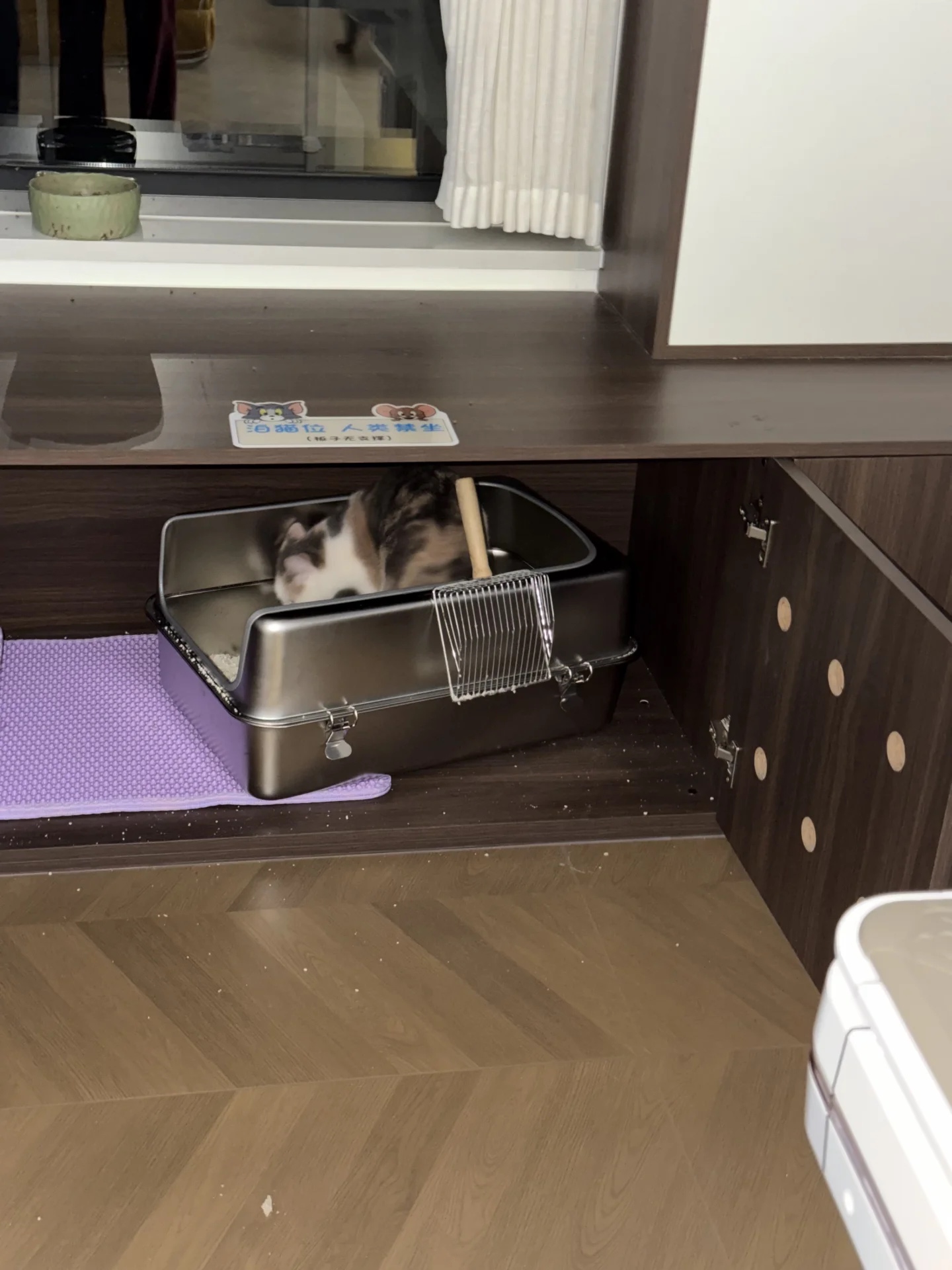
Cabinet fit solved only one problem. After moving, a third owner chose a metal pan because the earlier plastic box did not suit the cat cabinet, but found lifting urine clumps so laborious that they planned to return to plastic. The pan sits beneath a low shelf with a scoop at the front; measure both the cat’s turning space and your scooping clearance before fitting a replacement into furniture.
Choose the replacement around the defect you need to fix: a cleanable surface for a worn pan, adequate space for a cramped one, or an accessible entry for a difficult step. Continue scooping and washing the replacement, whatever its material. A new pan still needs routine care, and the cat still needs to use it comfortably.
FAQ
Are plastic litter boxes bad for cats?
Not inherently. Veterinary guidance includes plastic storage tubs as usable boxes. The practical concerns are wear, trapped waste and odor, physical damage, and avoidance; direct evidence that normal use causes chemical poisoning is lacking in the feline studies discussed above.
Should you replace a scratched plastic litter box?
Replacing a scratched or scored pan is a sensible preventive step. Oklahoma State recommends replacement when scratches appear because they may trap germs and odor; a scratch alone does not establish that the cat has an infection.
How often should you replace a plastic litter box?
VCA recommends annual replacement. Inspect at every full wash and replace sooner for scratches, cracks, retained waste, or persistent odor. The schedule is maintenance advice, not a proven age at which plastic becomes harmful.